

 English
 中文简体
 русский
 Español
 Français
 عربى
 Português
 हिंदी
 Indonesia
 فارسی
 Tiếng Việt
 Türk



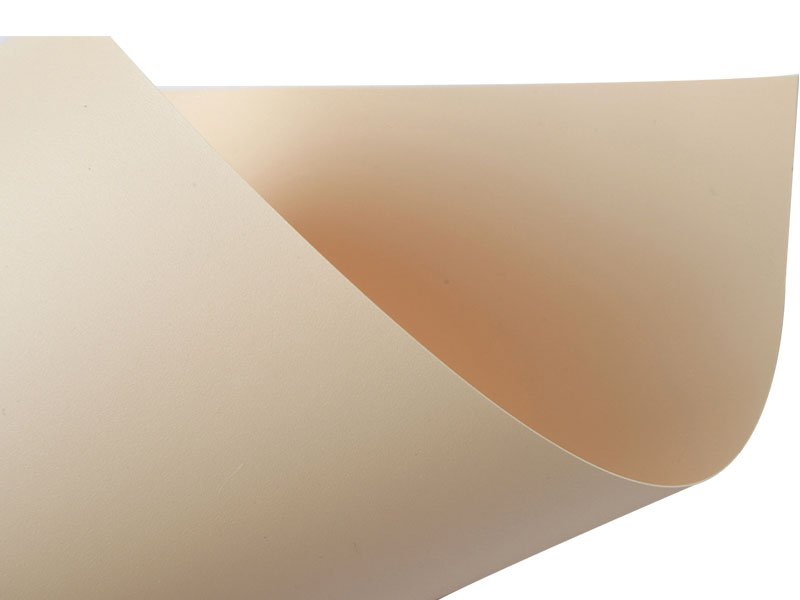


Reinforced PVC Drop Stitch for SUP
Reinforced PVC Drop Stitch for SUP is a tensioned composite fabric used in the construction of stand-up paddle board cores, decks, and hulls. The material consists of two PVC-coated polyester sheets connected by a dense array of vertical polyester yarns, typically 5,000 to 9,000 yarns per square meter. When the board is inflated, these filaments lock the top and bottom surfaces at a fixed distance, producing a rigid, planar structure at internal pressures between 12 psi and 25 psi. Reinforcement is introduced through a higher-density scrim in the base cloth, a thicker coating film, or a secondary lamination layer, which raises the puncture resistance and flexural stiffness of the finished board. The fabric is supplied in roll widths up to 2.0 m and is welded into board panels through high-frequency or hot-air processes.
How Reinforcement Changes Drop Stitch Behavior
Material Parameters
Where the Fabric Goes in a SUP Assembly
Deck Panel
The top drop stitch panel forms the standing surface. Reinforcement here controls deck deflection and supports the EVA traction pad bond.
Hull Panel
The bottom panel uses the same reinforced fabric. Coating mass on this face is often specified at the upper end of the range to resist abrasion from beach launches and shallow water contact.
Rail Band
The side rail connects deck and hull. Reinforced PVC Drop Stitch for SUP is welded to PVC-coated sidewall fabric, and the rail band width defines the board thickness and outline.
Nose and Tail Reinforcement
Additional patches of the same fabric are welded at the nose and tail to absorb impacts and to anchor the valve and fin box assemblies.
Production and Sourcing Questions
What inflation pressure should the finished board be tested at?
Reinforced PVC Drop Stitch for SUP is typically pressure-tested at 1.5 times the rated service pressure before shipment. A board rated for 15 psi should be tested at 22.5 psi for a minimum of 24 hours, with pressure loss recorded. Leakage above 5% over 24 hours indicates a seam or valve issue that requires rework before the board leaves the factory.
How does the reinforcement affect the finished board weight?
Reinforced drop stitch adds 15% to 25% to the panel weight compared with standard drop stitch of the same thickness. For a 10'6" board with a 120 mm core, the reinforced deck and hull panels typically add 1.2 kg to 1.8 kg to the finished board. Fabricators should adjust the rail band width or accessory layup to compensate where the target board weight is fixed by retail specification.
Can the fabric be welded with hot air instead of HF?
Hot-air welding is used for rail bands and repair patches, but the primary deck-to-hull seam on reinforced drop stitch panels is normally joined by high-frequency welding. Hot-air welding of drop stitch panels requires a two-sided heating process and careful temperature control to avoid collapsing the vertical yarn array at the seam line. Peel strength should be verified on a test coupon from every production lot.
What causes delamination between the coating and the yarn array?
Delamination at the yarn anchor points results from insufficient coating penetration into the scrim during manufacture or from overheating during welding. The anchor strength of the vertical yarns should be verified with a pull-out test on a 50 mm square sample. Values below 250 N indicate a coating adhesion issue in the incoming fabric, not a welding problem.
Storage and Processing
- Store rolls of Reinforced PVC Drop Stitch for SUP in a dry area at 15°C to 25°C, laid horizontally on a core-supported rack. Do not stack rolls more than two high, as compression damages the vertical yarn array.
- Allow rolls to reach workshop temperature for 24 hours before cutting. Cold drop stitch fabric is less compliant at the yarn anchor points and may crack during cutting or panel positioning.
- Use a sharp rotary cutter or CNC cutting table. Inspect every cut edge for loose or pulled yarns before welding; protruding yarns interfere with weld seam consolidation.
- Maintain HF welding electrodes and tooling free of PVC residue. Residue buildup causes uneven heating and localized collapse of the drop stitch structure at the seam.
- Store finished boards deflated and flat, or partially inflated at 5 psi, in a shaded area away from direct sunlight. Prolonged full-pressure storage in hot environments accelerates plasticizer loss at the welded seams.