

 English
 中文简体
 русский
 Español
 Français
 عربى
 Português
 हिंदी
 Indonesia
 فارسی
 Tiếng Việt
 Türk





PVC Decor Film for Wood Grain
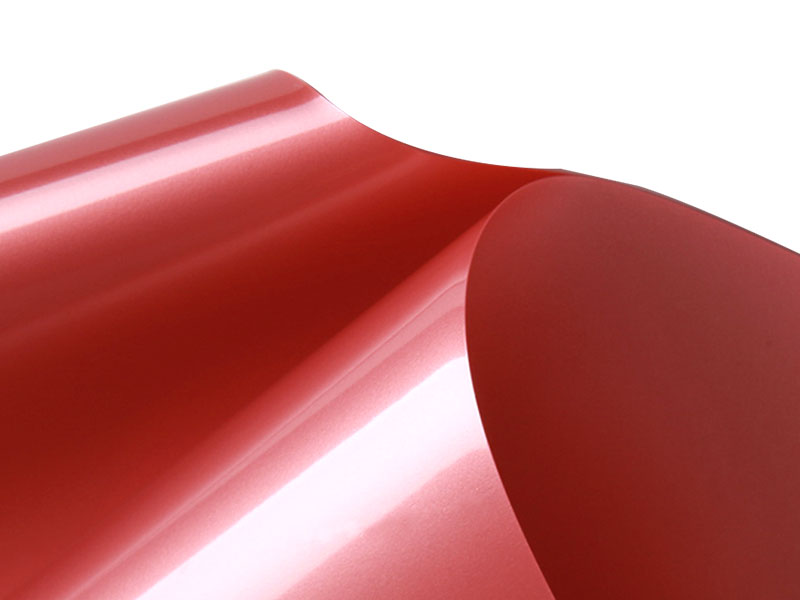
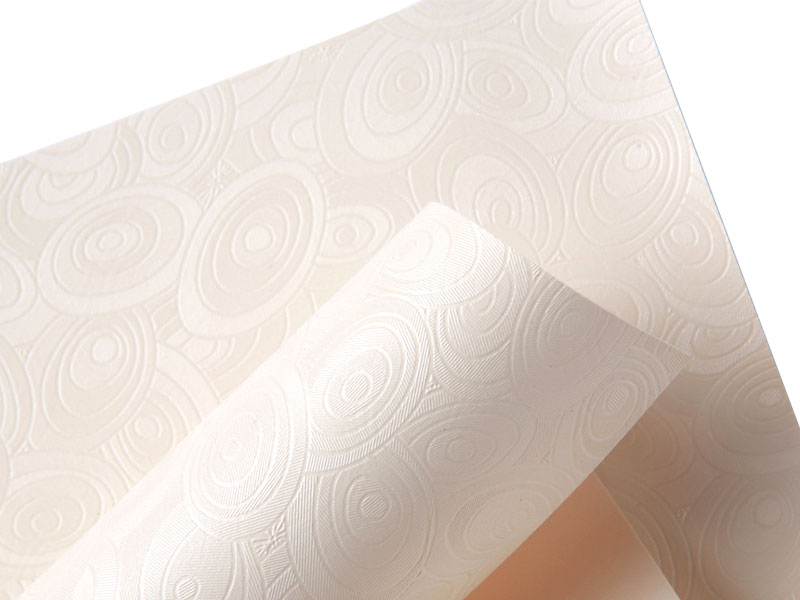
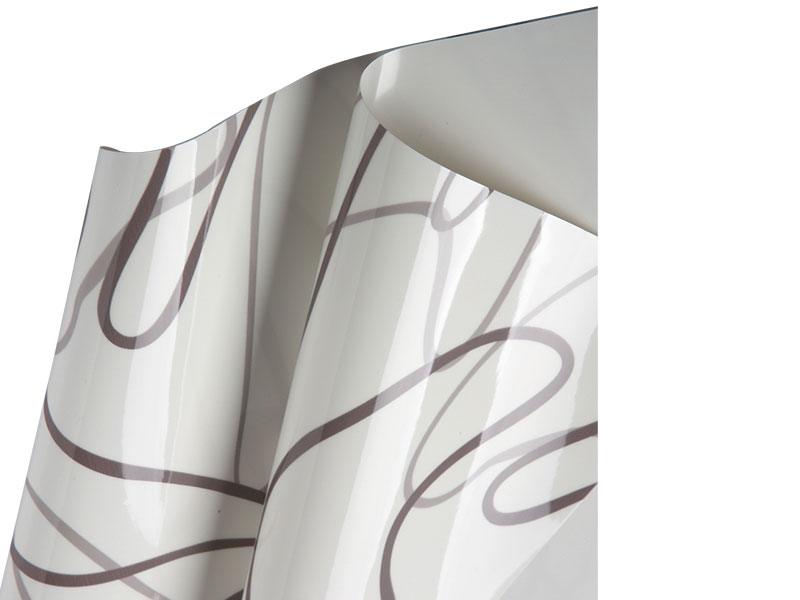
PVC Decor Film for Wood Grain is a printed and embossed polyvinyl chloride film used to reproduce wood species on panel substrates, profile wraps, and interior surface elements. The film is produced by gravure or digital printing of a wood pattern onto a PVC carrier, followed by an embossing step that aligns grain texture with the printed image. Thickness ranges from 0.08 mm to 0.50 mm, with matte, satin, and structured surface options. The film is supplied in rolls for membrane pressing, vacuum forming, profile wrapping, and flat lamination, and is used where a consistent wood appearance must be replicated across large production volumes without the color variation and surface defects inherent in natural veneer.
Custom Wood Grain Development
PVC Decor Film for Wood Grain is offered under an ODM/OEM model. Buyers can supply a wood sample, a reference photograph, or a digital pattern file, and the print and emboss tooling are developed to match. Color matching is performed against a physical control sample under defined lighting, and the approved master is held as the production standard for all subsequent runs.
Pattern Sourcing
Buyer-provided wood samples, high-resolution scans, or licensed pattern libraries are converted into print cylinders and emboss rollers. New patterns are developed from the buyer's reference, and existing pattern libraries can be adapted to a different color or gloss level.
Color and Gloss Control
The approved color target is recorded as a spectral curve and a physical control panel. Gloss level, emboss depth, and surface hand feel are specified on the same approval sheet so that production runs are compared against a single reference standard.
Substrate Adaptation
The film is supplied with adhesive systems matched to MDF, particleboard, PVC foam board, aluminum profiles, and steel sheet. Buyers specify the substrate and the lamination process, and the adhesive and film formulation are adjusted to the bonding method.
Private Label Packaging
Roll labels, core printing, pallet marking, and outer packaging are produced to the buyer's brand specification. Minimum order quantities for custom patterns are quoted separately from standard pattern orders.
Surface and Performance Characteristics
Technical Data
Process Routes and End Uses
PVC Decor Film for Wood Grain is placed over an MDF or particleboard panel with a heat-activated adhesive and pressed under a silicone membrane. The process produces cabinet doors, drawer fronts, and furniture panels with wrapped edges and consistent grain direction across the panel face.
The film is wrapped around aluminum or PVC profiles used in window frames, door frames, and furniture trim. The film's elongation and emboss stability allow wrapping of radiused corners and complex profile shapes without visible seams on the visible face.
The film is bonded to flat panels through a continuous laminating line using PU adhesive or hot-melt adhesive. This route is used for wall panels, ceiling tiles, and flooring substrates where a flat wood appearance is required at high production speed.
Thermoformed components such as cabinet doors with raised panels and molded interior trim use the film where deep draws are required. The print and emboss pattern remain aligned through the forming step, and the formed part retains the wood appearance on all surfaces.
Buyer Questions on Wood Grain Film
How is a custom wood pattern approved before production?
The buyer supplies a wood sample, photograph, or pattern file. A proof is printed on the target film thickness with the intended emboss, and the proof is matched against the buyer's reference under a defined light source. The signed proof becomes the master standard, and production is compared against that master by spectrophotometer and by visual inspection under D65 lighting.
Can the film be supplied in a gloss level different from the sample?
Gloss level is controlled by the emboss roller and the topcoat formulation. A pattern approved in matte can be redeveloped in satin or gloss, but the emboss texture must be adjusted to match the new gloss level; a matte emboss under a gloss topcoat produces an unnatural appearance. Buyers should specify the target gloss unit value on the approval sheet.
What is the minimum order for a new wood grain pattern?
New pattern development requires a print cylinder and, for registered emboss, an emboss roller. Minimum order quantities for new patterns depend on the roll width and pattern repeat length; standard pattern orders carry lower minimums because tooling is already available. Buyers should provide the target annual volume so the tooling cost can be amortized across the quotation.
Does the film match across separate production batches?
Color control is maintained by retaining a master control panel and measuring each batch against it. Batch-to-batch variation is held within a specified Delta E tolerance, typically below 1.5 for interior applications. Buyers running continuous production lines should order the full requirement for a project from a single batch to eliminate any variation between components.
What adhesive is used for aluminum profile wrapping?
Aluminum profile wrapping uses a heat-activated PU or polyester adhesive applied to the film or the profile before the film is pressed into place. The adhesive selection depends on the profile surface treatment; anodized aluminum requires a different adhesive than mill-finish or powder-coated aluminum. Buyers should specify the profile substrate and surface treatment when ordering.
Storage and Handling Notes
- Store PVC Decor Film for Wood Grain rolls in a clean, dry area at 15°C to 25°C and 40% to 60% relative humidity. Avoid direct sunlight and heat sources that soften the film or affect the adhesive layer.
- Allow rolls to reach room temperature before unwinding. Cold film is less compliant during membrane pressing and profile wrapping, and may crack at the printed surface.
- Handle rolls with core supports or roll-lifting equipment. Dropping or resting a roll on its side can deform the film layers and produce print or emboss distortion at the roll edges.
- Clean the finished surface with a soft cloth and neutral detergent. Avoid abrasive pads, solvent cleaners, and high-alkaline products that degrade the topcoat and affect the printed wood appearance.
- Do not store partially used rolls without protective wrapping. Dust and airborne particles settle on the printed surface and are difficult to remove without damaging the topcoat.