

 English
 中文简体
 русский
 Español
 Français
 عربى
 Português
 हिंदी
 Indonesia
 فارسی
 Tiếng Việt
 Türk





0.7mm PVC Wear Layer Rolls
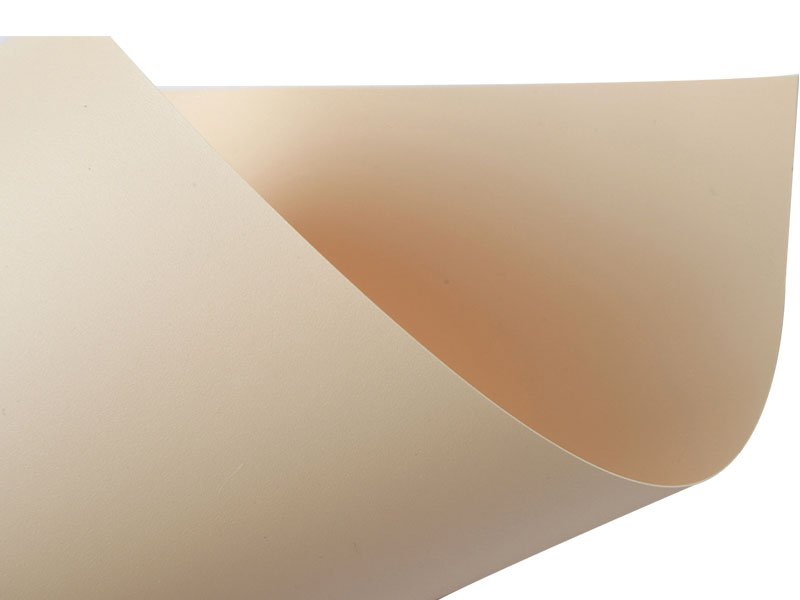
0.7mm PVC Wear Layer Rolls is a transparent polyvinyl chloride film supplied in roll form at a nominal thickness of 0.70 mm, used as the protective top surface of resilient flooring, wall panels, and other laminated interior surfaces. The film is produced by calendering or extrusion and is wound on cores for continuous lamination or cut-to-length processing. At this gauge, the wear layer provides a defined balance between abrasion protection and handling flexibility, and is bonded to the substrate through heat lamination, hot-melt adhesive, or UV-cured coating. Rolls are supplied in widths from 1.0 m to 2.0 m and lengths up to 200 m, with surface options including smooth, embossed, and top-coated finishes.
Custom Supply Under Your Brand
0.7mm PVC Wear Layer Rolls are supplied on an ODM/OEM basis. Roll width, length, surface emboss, topcoat type, color tint, and core configuration are produced to the buyer's specification. Each custom order is issued with a parameter sheet that fixes the thickness tolerance, emboss depth, and adhesive compatibility, and that sheet is referenced for every production lot shipped under the buyer's brand.
Why 0.7 mm Is Specified
Abrasion Protection at Commercial Gauge
At 0.70 mm, the wear layer provides a protective film thickness that supports Taber abrasion results in the 5,000 to 10,000 cycle range, depending on the topcoat. This gauge is used in retail aisles, hospital corridors, and school hallways where the flooring surface is subject to continuous foot traffic and cart movement.
Handling and Lamination Stability
The 0.7 mm gauge remains compliant enough for roll lamination while providing sufficient body to resist wrinkling and web wander during high-speed lamination. Roll tension can be controlled within a narrow band, and the film does not telescope during unwinding at line speeds above 30 m/min.
Indentation Resistance
Static load testing to ASTM F970 returns residual indentation values below 0.10 mm after 24-hour recovery at this gauge. This supports specification in spaces with heavy point loads from furniture legs, medical equipment, and display fixtures.
Topcoat Compatibility
The 0.7 mm substrate accepts UV-cured polyurethane topcoats without surface defects. The coating cures to a uniform gloss level across the roll width, and the cured topcoat adheres with peel strength above 5 N/5cm when tested to ASTM D903.
Technical Data
Where the Rolls Are Used
Commercial Resilient Flooring
0.7mm PVC Wear Layer Rolls are laminated over luxury vinyl tile, plank, and sheet flooring to provide the transparent protective surface. The gauge is used in retail, healthcare, education, and hospitality flooring where the wear layer must last through a 10 to 15 year commercial service life.
Wall Protection Panels
Hospitals, clinics, and laboratories use the film over wall panel substrates where a cleanable, impact-resistant surface is required. The 0.7 mm gauge resists cart impact and supports routine disinfection with quaternary ammonium and hydrogen peroxide products.
Door and Furniture Lamination
The roll film is laminated to door skins, cabinet faces, and furniture panels where a transparent or tinted protective surface is specified. The film accepts embossing that matches the substrate texture, and the laminated panel retains a uniform surface appearance.
Questions from Lamination Lines
What tension should be set during roll lamination?
For 0.7mm PVC Wear Layer Rolls, web tension is typically set between 1.5 kg and 3.0 kg per linear meter width, depending on the laminating line speed and substrate rigidity. Tension above this range causes film elongation and thickness reduction at the lamination nip; tension below the range causes web wander and edge misalignment. Tension should be verified with a hand-held tensiometer at the unwind stand before the run starts.
How is the wear layer bonded to the flooring substrate?
Three bonding routes are used: heat lamination at 140°C to 170°C nip temperature, hot-melt adhesive applied at 120°C to 150°C, and UV-cured coating where the wear layer is applied as a liquid film and cured in place. For 0.7 mm rolls, heat lamination is the most common route on continuous flooring lines. Bond strength is verified by peel testing to ASTM D903 on samples taken from the line start, middle, and end of each production run.
What causes surface defects during lamination?
Surface defects in laminated 0.7mm PVC Wear Layer Rolls usually originate from three sources: dust or debris on the substrate before lamination, uneven nip pressure across the roll width, and residual solvent or moisture in the substrate outgassing at the lamination temperature. Verify substrate cleanliness, check nip roll parallelism with a feeler gauge, and confirm substrate moisture content before lamination starts.
How should rolls be stored before use?
Store 0.7mm PVC Wear Layer Rolls horizontally on a core-supported rack at 15°C to 25°C and 40% to 60% relative humidity. Do not stack rolls more than two high. Allow rolls to reach line-room temperature for at least 12 hours before lamination, because cold film is stiffer and produces higher web tension at the same unwind setting.
Can the roll be slit to a custom width?
Yes. Slitting is performed on a log slitter or a single-knife slitter after the master roll is produced. Slit width tolerance is +/- 0.5 mm for widths above 500 mm and +/- 0.3 mm for narrower widths. Slit rolls are rewound at controlled tension, and the slit edge quality is inspected for burrs before packing.
Storage and Processing Cautions
- Store 0.7mm PVC Wear Layer Rolls in a dry, shaded area at 15°C to 25°C. Protect rolls from direct sunlight and heat sources that soften the film and cause blocking between layers.
- Handle rolls with core supports or roll-lifting equipment. Dropping a roll on its side deforms the film layers and creates surface marks that remain visible after lamination.
- Do not remove the protective interleaf until the roll is mounted on the lamination line. Dust that settles on the film surface is pressed into the wear layer at the lamination nip.
- Clean laminated surfaces with a neutral detergent solution and a soft mop. Avoid abrasive pads, solvent cleaners, and high-alkaline products that degrade the polyurethane topcoat.
- Keep partial rolls wrapped and labelled after the run. Partially used rolls exposed to air pick up plasticizer migration marks at the exposed edge, which cause visible lines in the next lamination run.